The Department for Work and Pensions (DWP) has shared details on how “double paydays” affect Universal Credit claimants and their monthly payments.
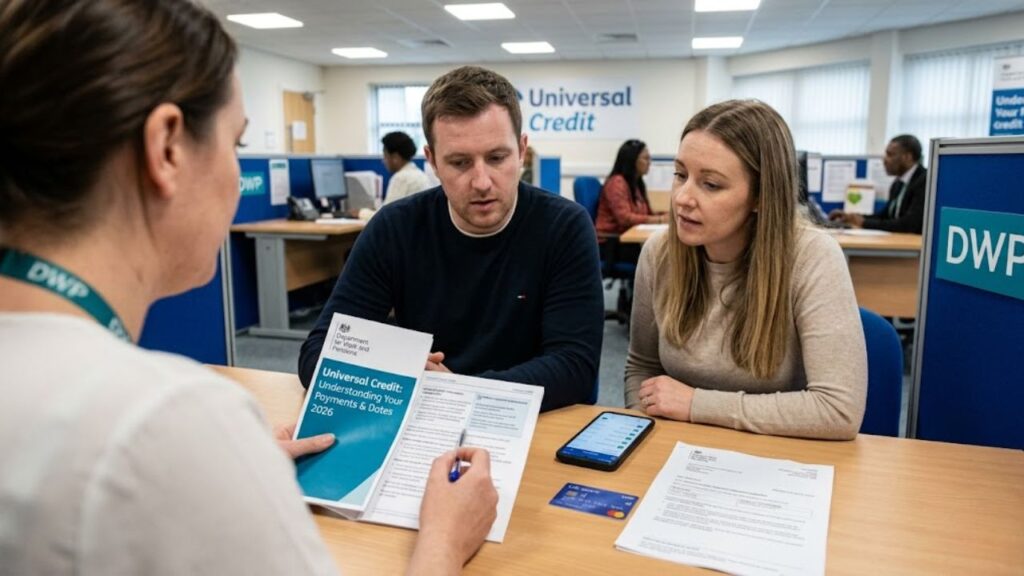
This issue was recently raised in Parliament by Labour MP Mohammad Yasin, who asked what steps the DWP has taken to assess the impact of double paydays falling within the same assessment period.
He also questioned how shifting these payments might affect working claimants and departmental resources.
Universal Credit is paid monthly, directly into a claimant’s bank or building society account. These payments may include housing support, which must then be passed on to landlords. For those unable to open a bank account, the Universal Credit helpline can help arrange alternative payment options.
Responding on behalf of the DWP, minister Stephen Timms acknowledged that receiving two salary payments within a single assessment period can lead to unexpected fluctuations in benefit amounts.
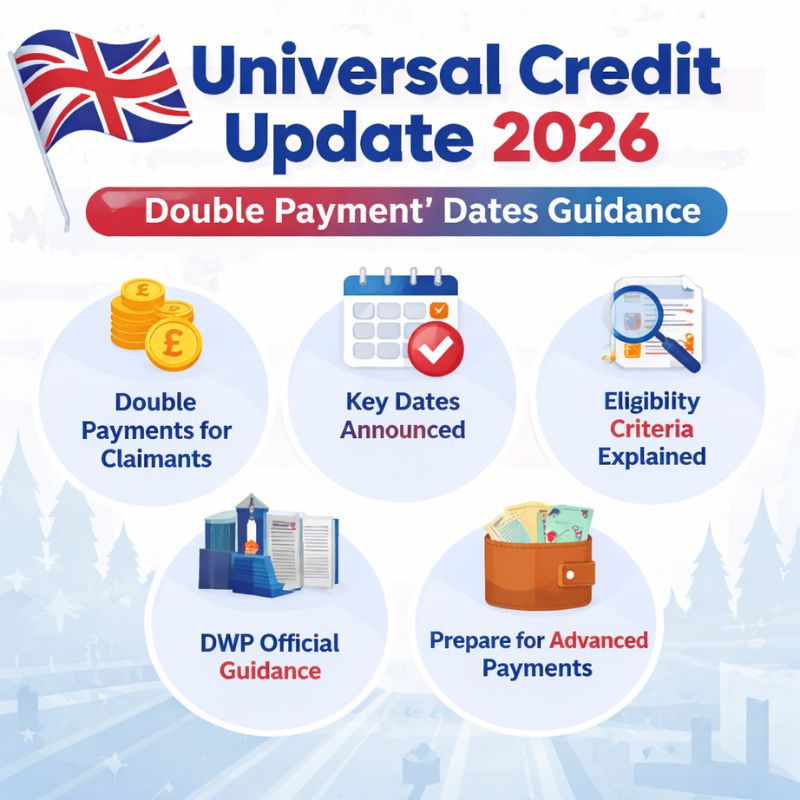
This typically happens when a person’s payday falls near the end of their monthly assessment cycle, causing two payments to be recorded in the same period through HMRC’s Real Time Information system.
To address this, the Universal Credit Amendment Regulations introduced in 2020 allow one of the payments to be moved to a different assessment period.
This ensures benefits are calculated more accurately. The rule applies only to those paid monthly and is designed to reduce financial instability while maintaining consistent payments.
The DWP found that this adjustment helps affected households by smoothing income calculations and preventing unnecessary disruptions. It also ensures claimants do not lose their Work Allowance in months where double income would otherwise be recorded. In most cases, the system now handles these adjustments automatically, without requiring any action from claimants.
Despite these improvements, double paydays can still create challenges. According to the Royal College of Nursing, some working claimants may experience incorrect reductions in their benefits.
In certain cases, individuals could lose Work Allowance of up to £344 per month or be wrongly affected by the benefit cap, potentially leading to significant annual losses.
Because Universal Credit is calculated monthly, claimants often find it difficult to predict how much they will receive. Each assessment period lasts one calendar month from the date the claim begins.
At the end of the period, the system reviews income and personal circumstances, and payments are typically made about a week later.
Complications can arise when salaries are paid earlier than usual due to weekends or bank holidays.
In such cases, two payments may be recorded in one assessment period and none in the next, leading to irregularities in benefit calculations.